HSBC UK | South Asian Heritage Month 2026
Back again with a bang! On 1 July 2026, colleagues gathered at HSBC Headquarters to celebrate South Asian Heritage Month, an event proudly sponsored by Embrace UK (ERG) and organised by Kabir Alam and Kulwinder Shokar. The celebration brought together music, dance, fashion, traditional craftsmanship and cuisine, creating an opportunity for colleagues to experience the richness, diversity and cultural heritage of South Asian communities.
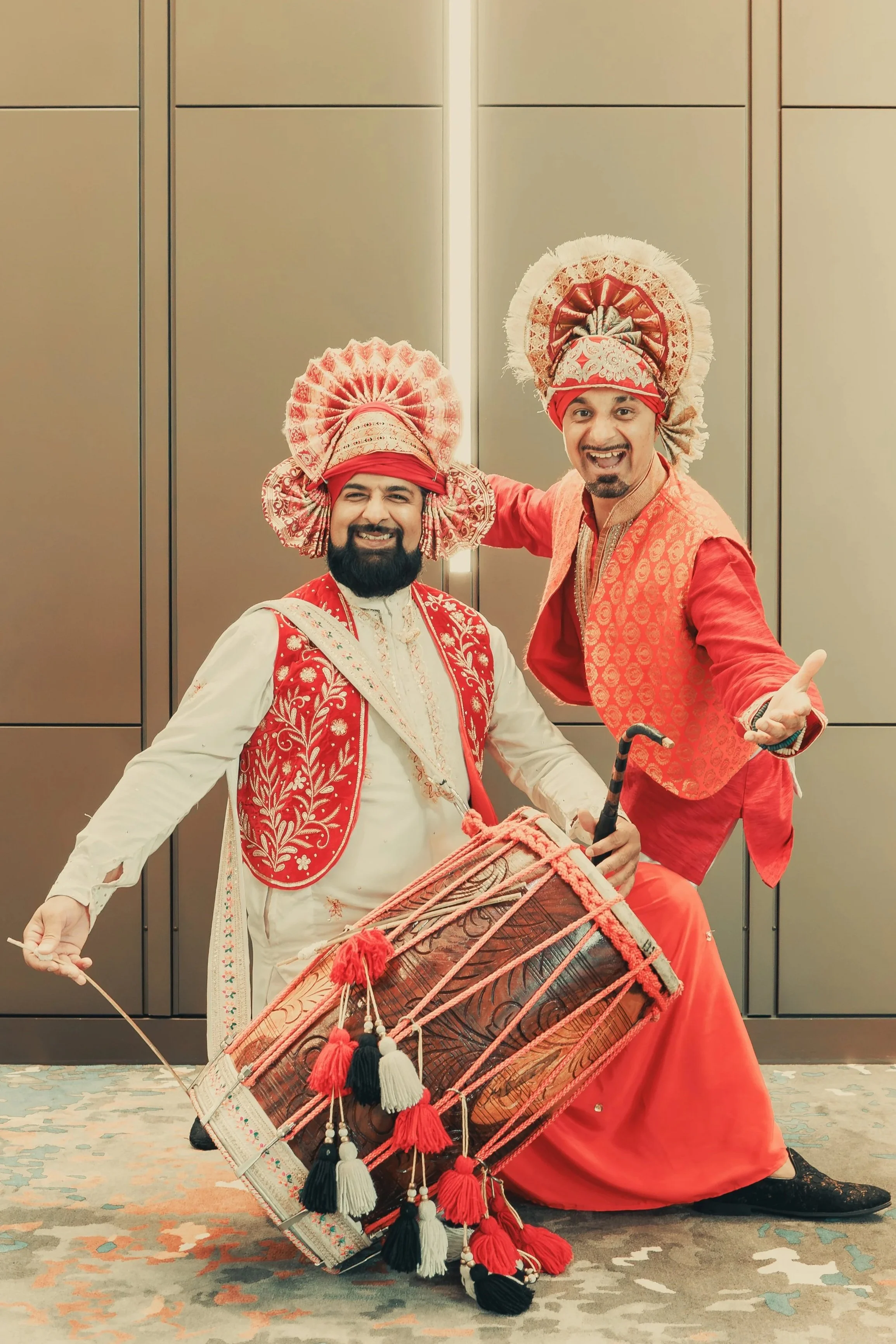
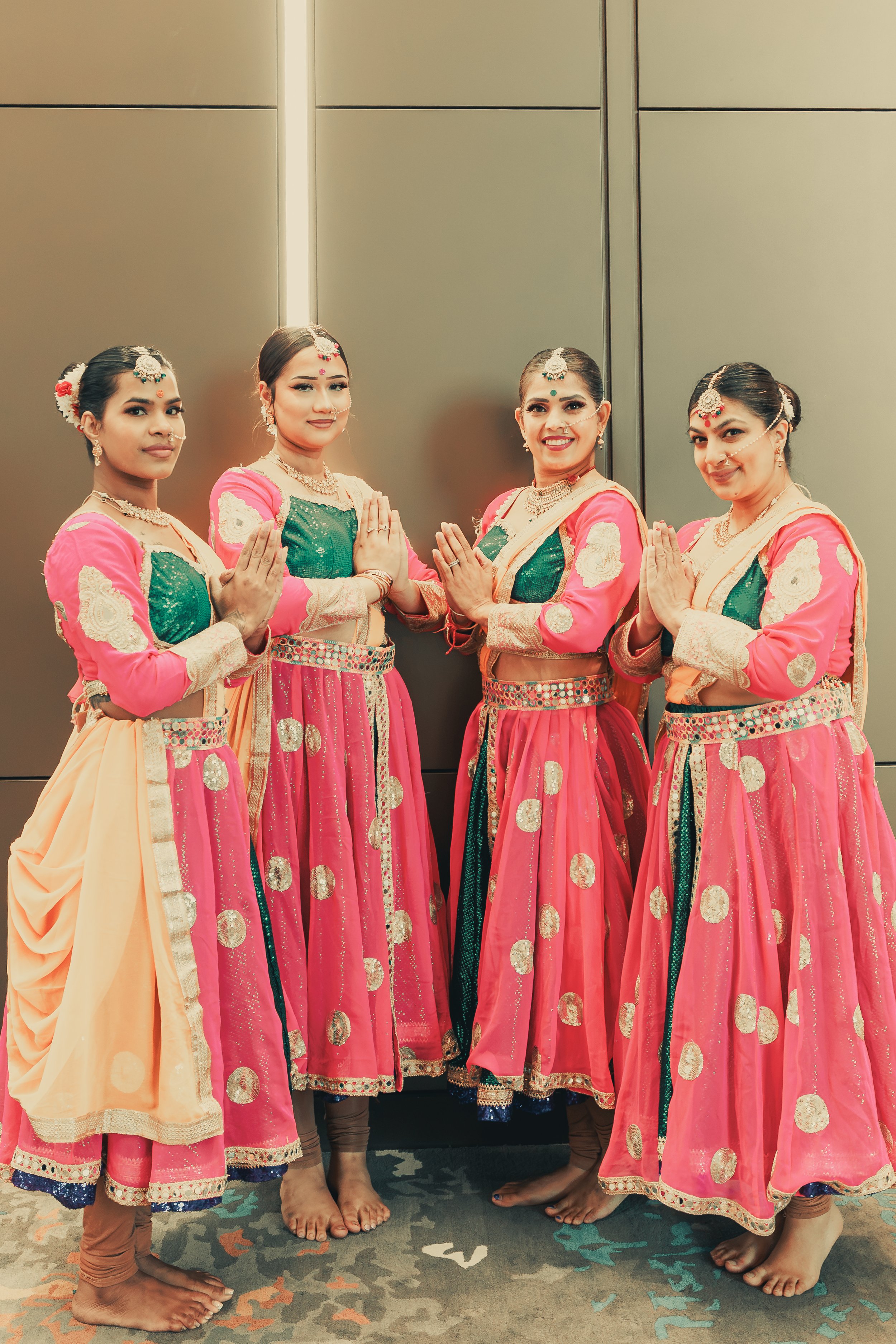
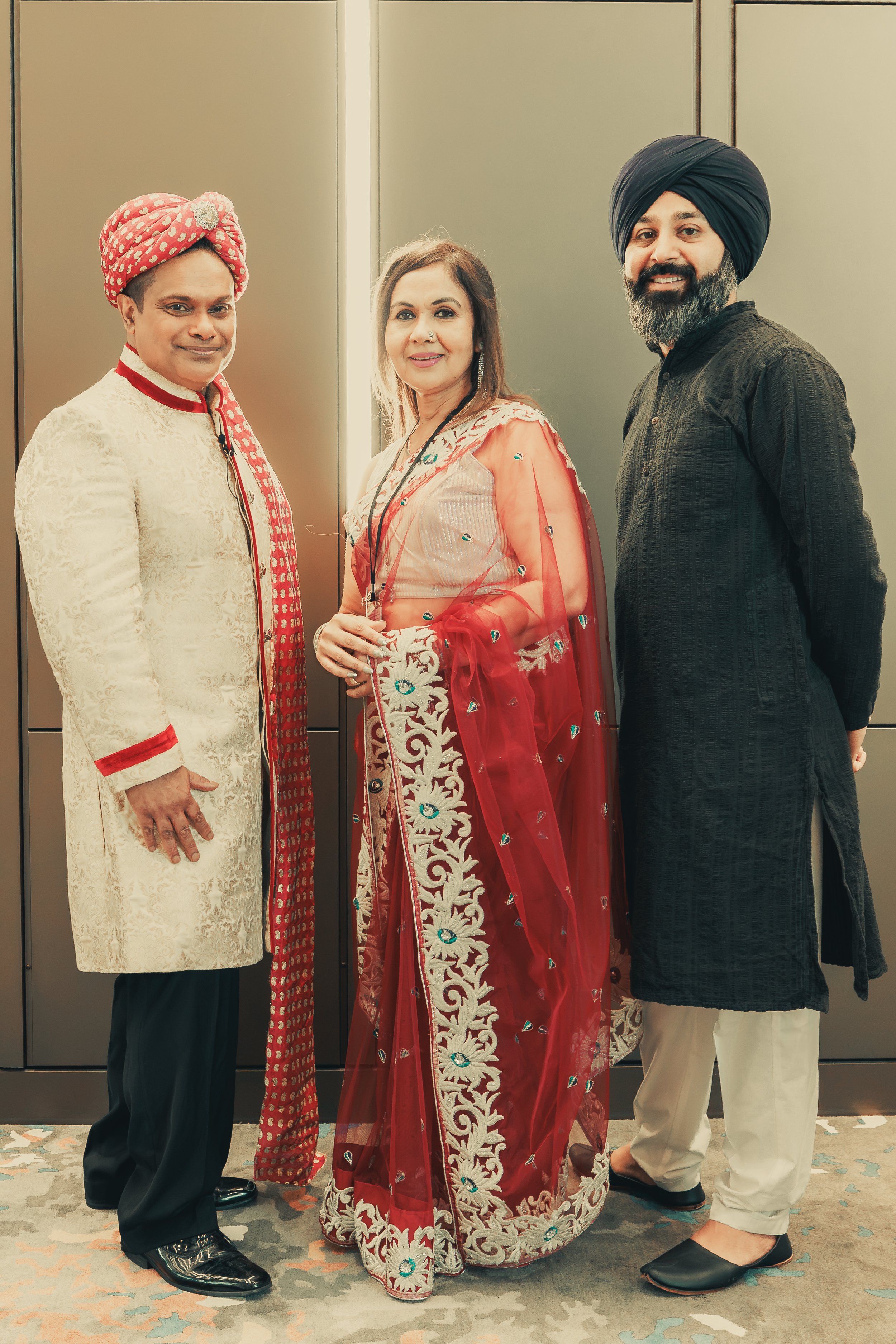
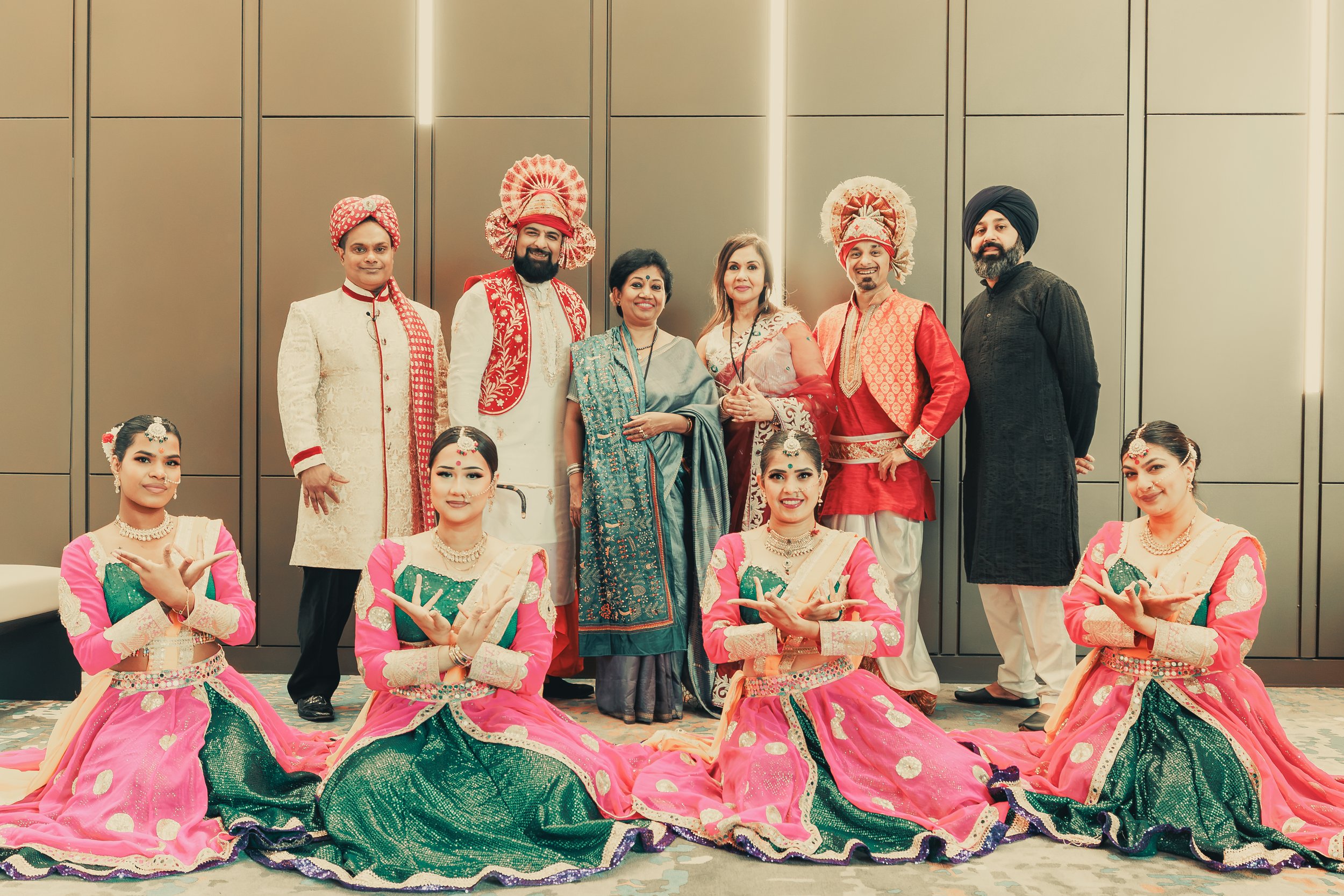
HSBC UK | South Asian Heritage Month 2026 | Organised by Kabir Alam & Kulvinder Shokar, with Dhol Fusion, Dance N Beats and Shrii Gautam.
As colleagues gathered throughout the atrium, the unmistakable rhythm of the dhol announced the beginning of the celebrations. The powerful beats echoed through the headquarters as Ajay Nagi performed on the dhol, while Sohan Kailey captivated the audience with an energetic dance performance that reflected the joy and vibrancy of South Asian culture. More than simply an instrument, the dhol has long been a symbol of celebration, community, and cultural identity across South Asia, its vibrant rhythms accompanying festivals, weddings, and moments of shared joy for generations. It was a fitting opening to South Asian Heritage Month, welcoming colleagues into a day dedicated to culture, connection, and celebration.
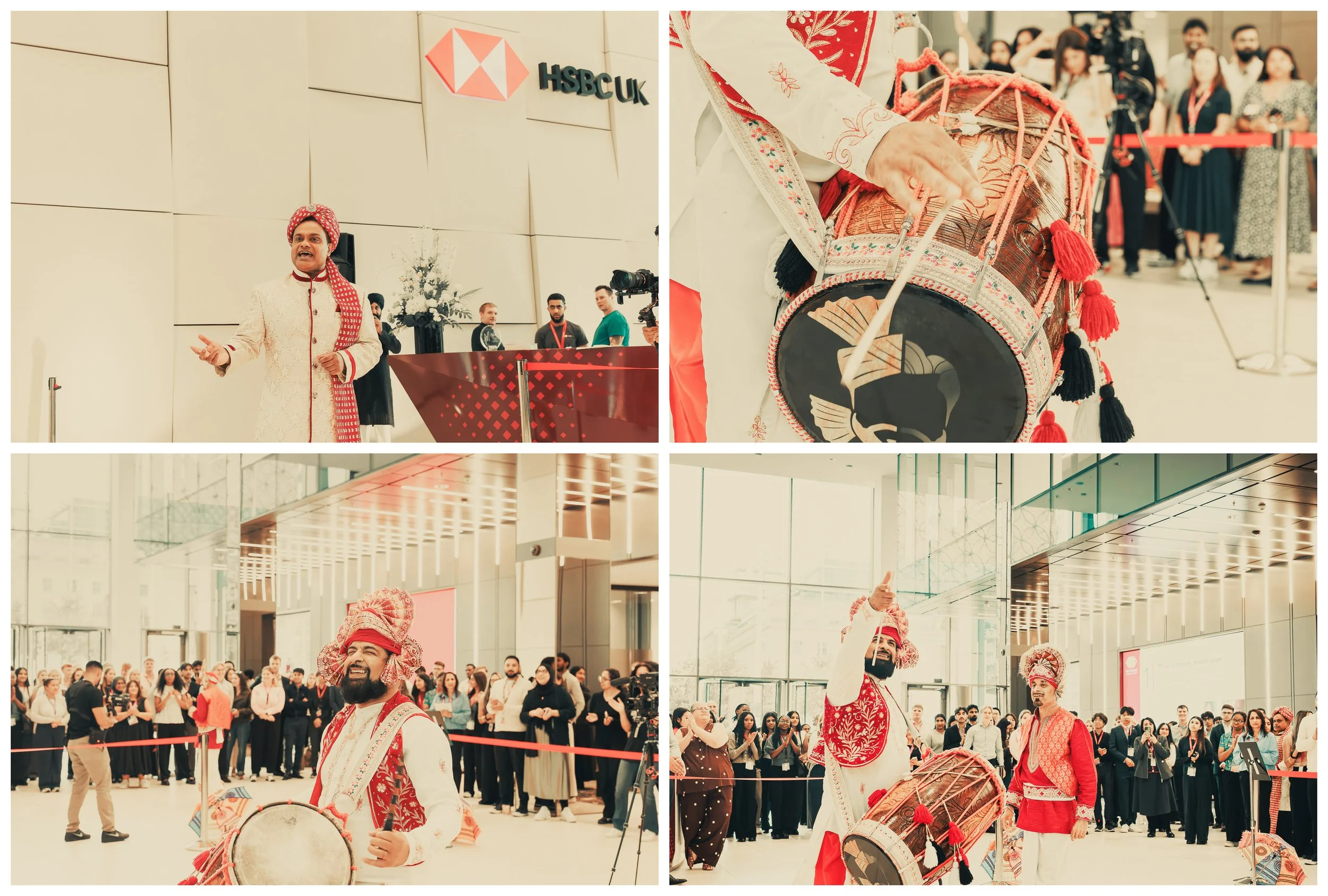
HSBC UK | South Asian Heritage Month 2026 | Sohan and Ajay Nagi from Dhol Fusion performing the dhol.
The garments feature fabrics from Romesh Embroidery Works, celebrating South Asian textile craftsmanship.
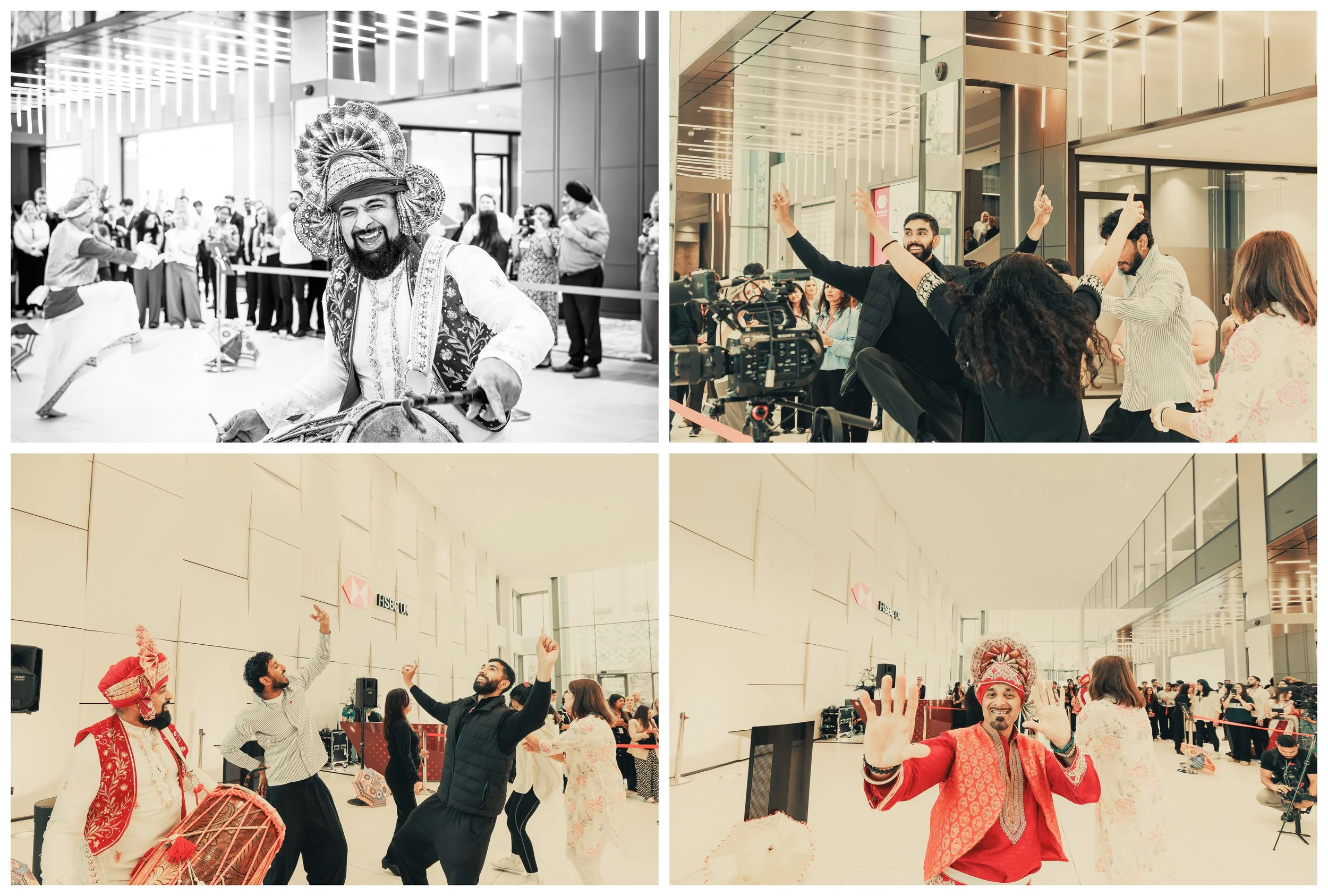
Their energetic performance created a vibrant atmosphere, bringing colleagues together through the rhythm and tradition of one of South Asia’s most recognisable instruments. The celebration encouraged participation, with colleagues joining in the dance and embracing the music, energy and cultural spirit of the occasion.
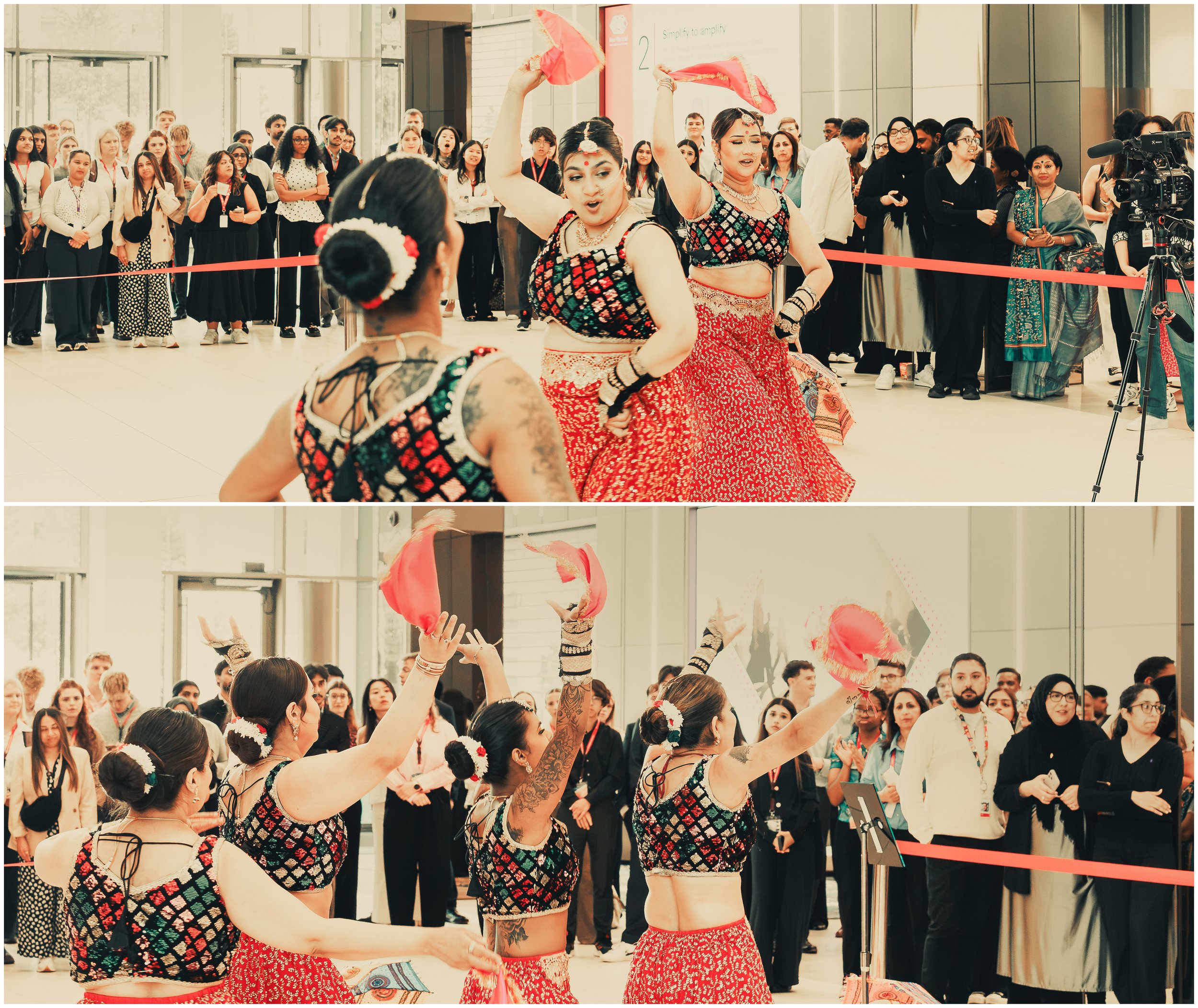
The celebrations continued with performances from Dance N Beats, who showcased a variety of South Asian dance styles, including Bollywood dance and Dandiya. Their performances celebrated the diversity of South Asian traditions, combining movement, music and storytelling.
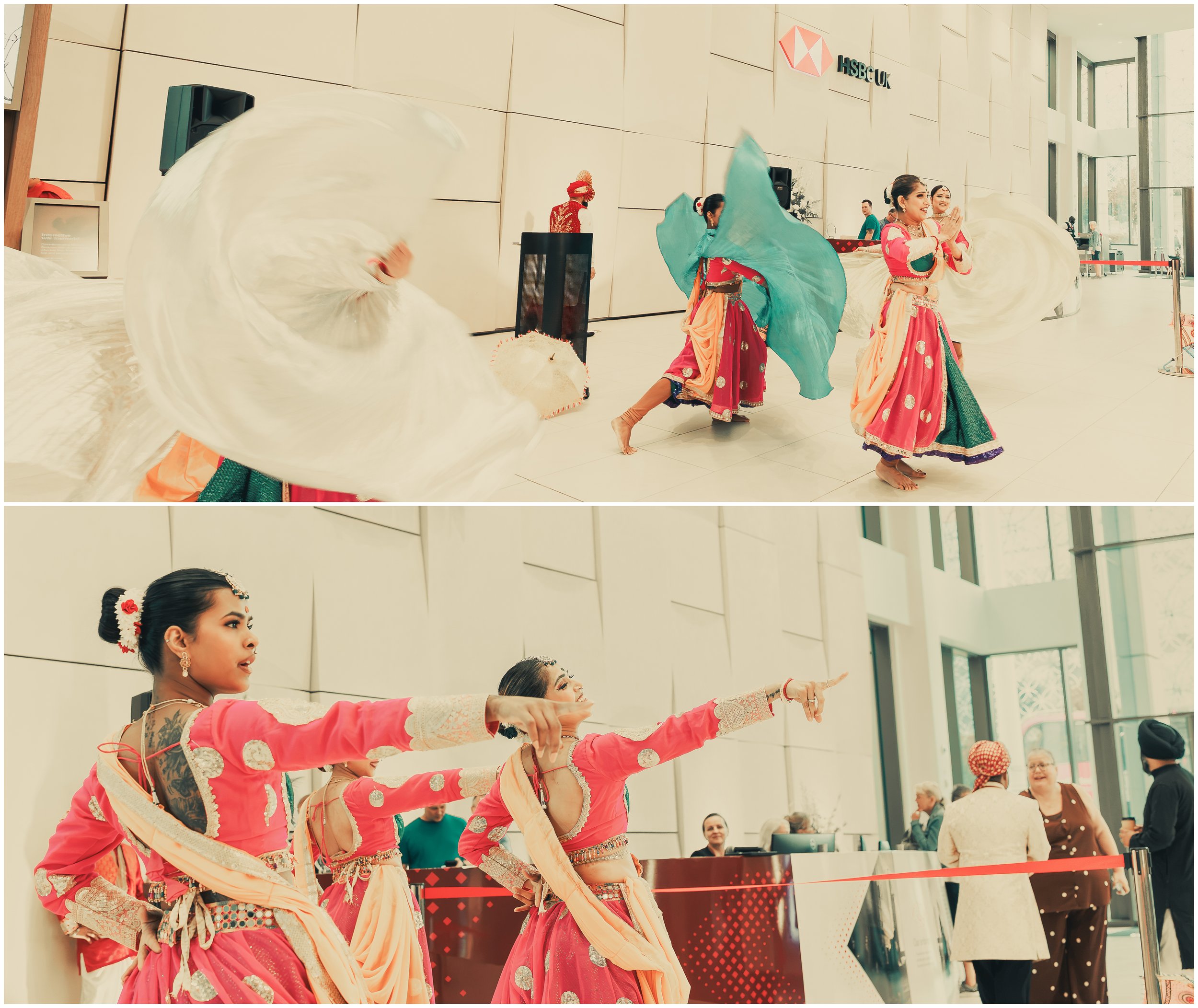
HSBC UK | South Asian Heritage Month 2026 | Dance N Beats performing Bollywood dance.
The garments worn by the Dance N Beats performers featured fabrics designed by Naimeshbhai Makhani, showcasing exceptional craftsmanship, intricate detailing and the artistic heritage behind South Asian textiles. The designs demonstrated a deep appreciation for colour, texture and traditional aesthetics, bringing together cultural identity and contemporary performance.
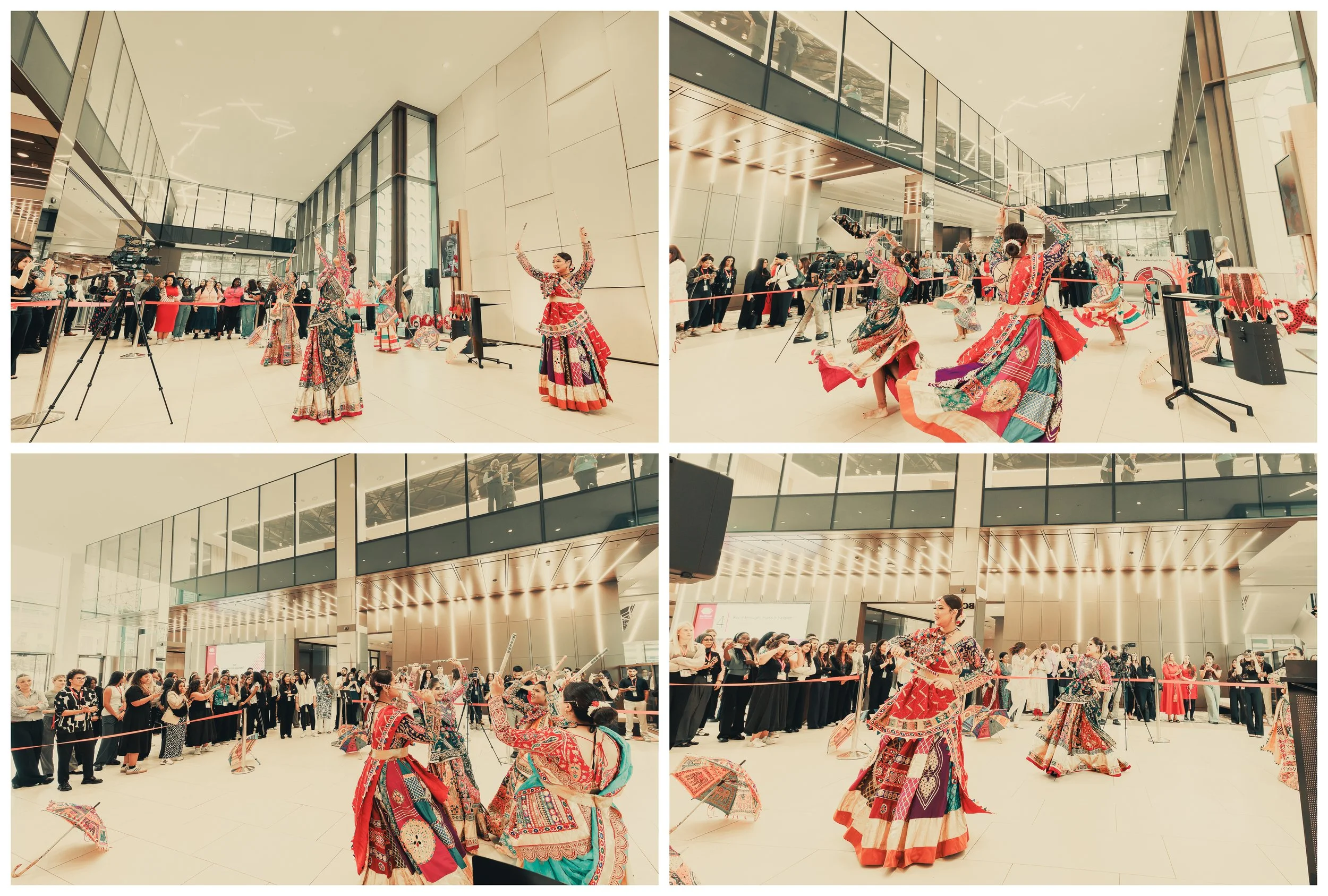
HSBC UK | South Asian Heritage Month 2026 | Dance N Beats performing Dandiya.
Dandiya, a traditional folk dance originating from Gujarat, is performed using decorated sticks and is often associated with celebrations, community gatherings and festivals such as Navratri. The rhythmic movements, colourful costumes and coordinated formations reflect the joy, energy and sense of togetherness that are central to this cultural tradition.
The vibrant choreography, expressive movements and colourful costumes reflected the energy and creativity that are central to South Asian dance culture.
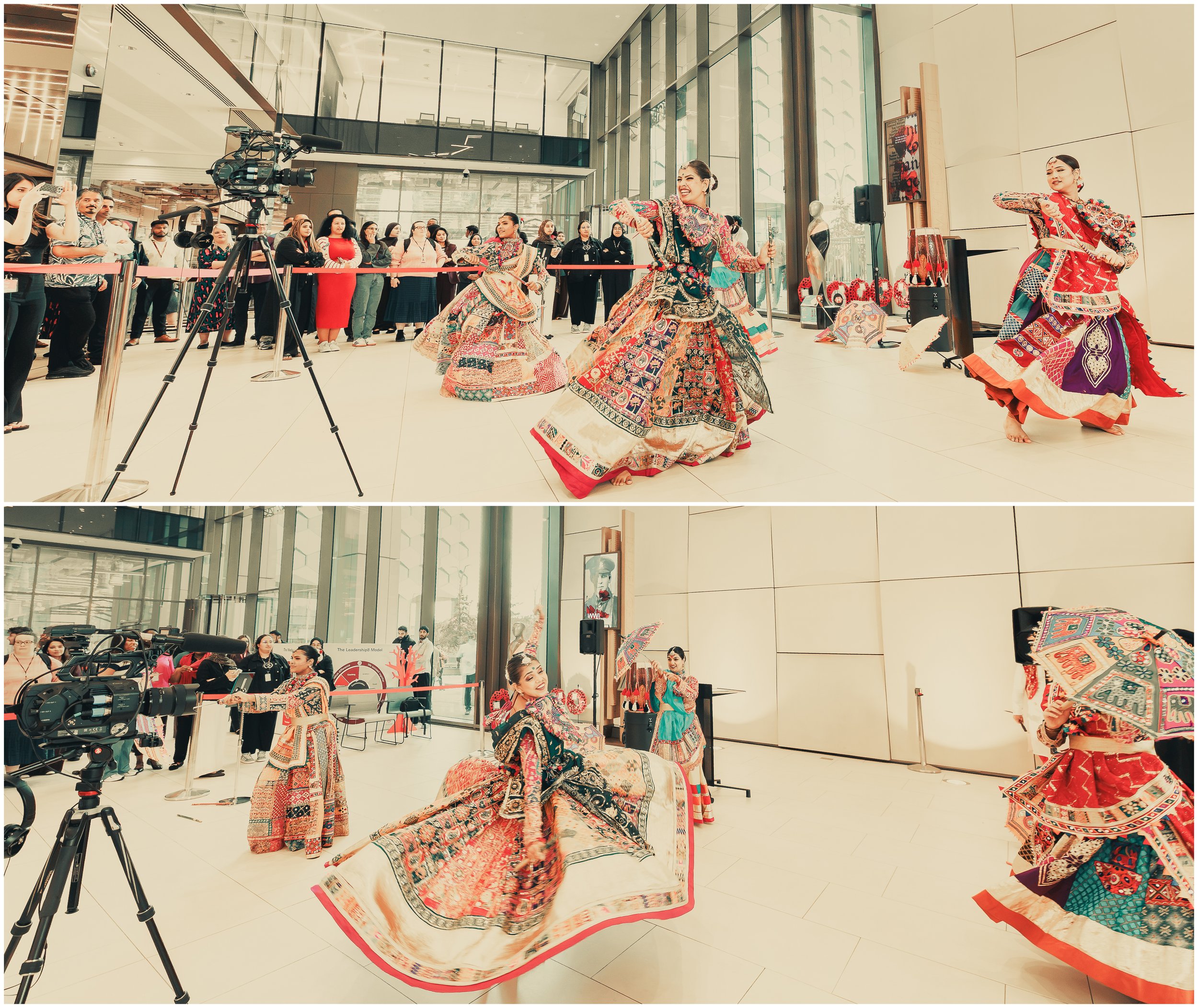
While the designer is not publicly available on online sources, the quality and creativity of the work stood out during the celebration. Through photography, the artistry behind these garments has been documented, ensuring recognition of the skill and dedication that went into creating these pieces
The event also featured a musical performance by Shrii Gautam, whose singing added another dimension to the celebration and showcased the diversity of South Asian artistic expression.
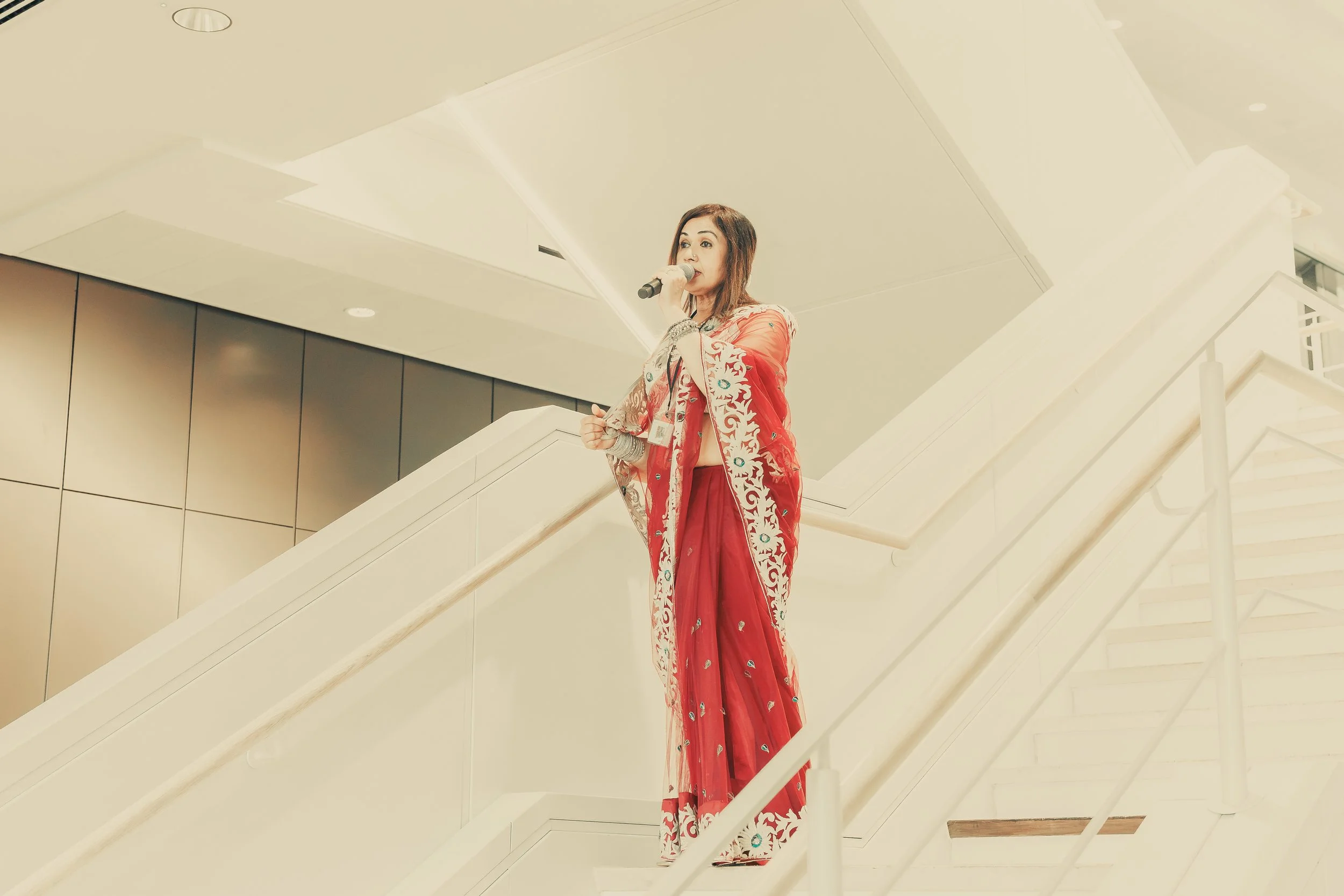
HSBC UK | South Asian Heritage Month 2026 | Shrii Gautam begins her performance from the staircase.
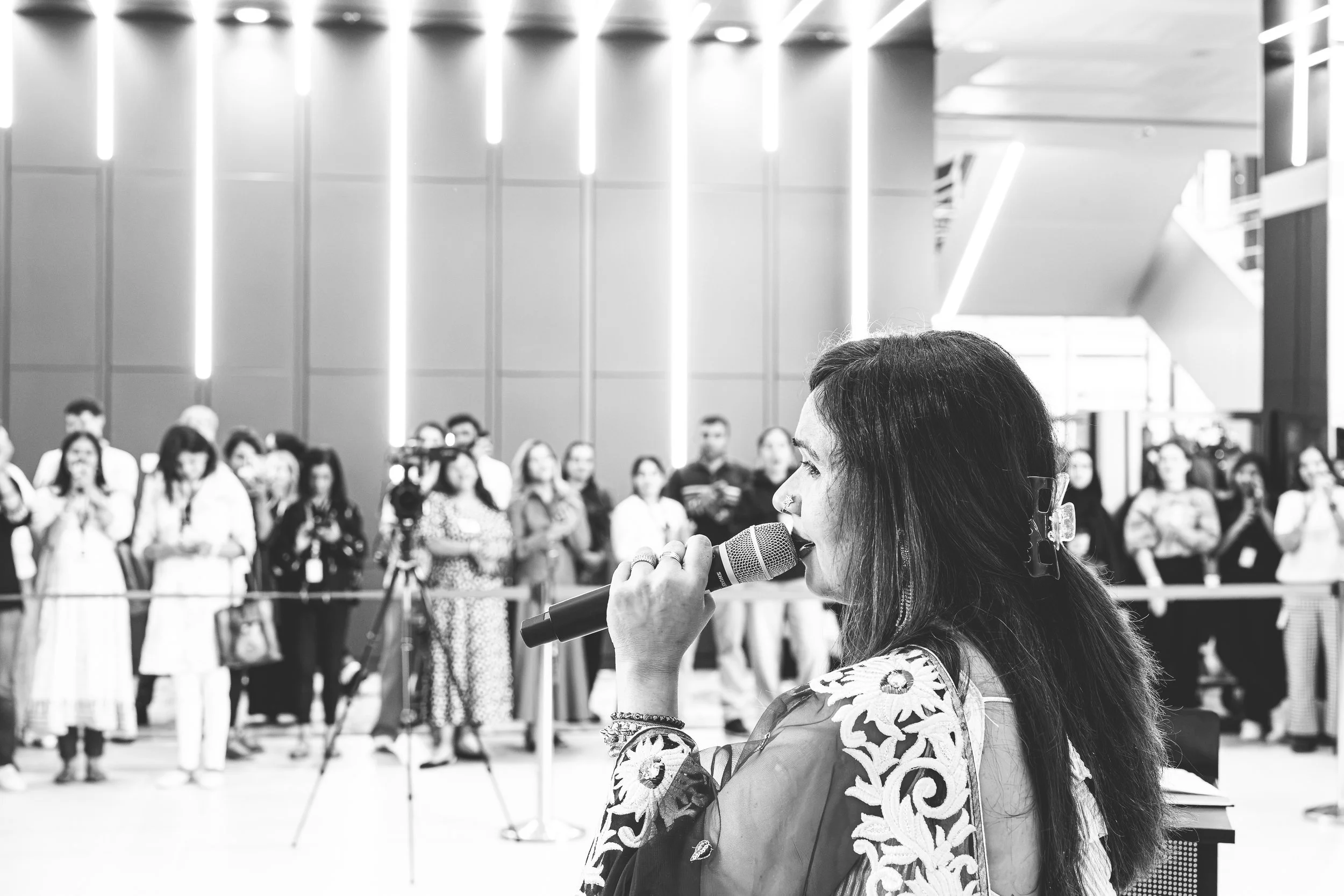
HSBC UK | South Asian Heritage Month 2026 | Shrii Gautam performing in front of a gathered audience.
Alongside the performances, colleagues were able to explore a range of cultural stalls featuring food, art and traditional craftsmanship.
For many communities across South Asia, henna is much more than a decorative art form. It is a tradition that carries stories of celebration, identity and creativity. Passed down through generations, henna is often seen at weddings, festivals and special occasions, where the intricate designs become part of the memories and experiences being created.
Henna comes from the leaves of the henna plant (Lawsonia inermis). The leaves are dried and ground into a fine powder, which is then mixed with natural ingredients to create a smooth paste. Skilled artists apply the paste onto the skin using a small cone, carefully creating detailed patterns by hand. Each design can take inspiration from traditional motifs, including flowers, paisley patterns and geometric shapes, while many artists also create more contemporary designs.
Once applied, the henna paste is left on the skin to dry and allow the natural dye to develop. The paste usually takes several hours to dry fully, and once removed, it leaves behind a light orange stain that gradually deepens into a richer reddish-brown colour over the following day or two. With good aftercare, the design can remain visible for around one to three weeks before naturally fading.
Henna has also become an important part of fashion and personal style. Similar to jewellery, embroidery or accessories, it adds another layer of detail and individuality to an outfit. Whether paired with traditional South Asian clothing such as embroidered dresses and festive garments, or combined with modern Western fashion, henna creates a unique connection between clothing, artistry and cultural expression.
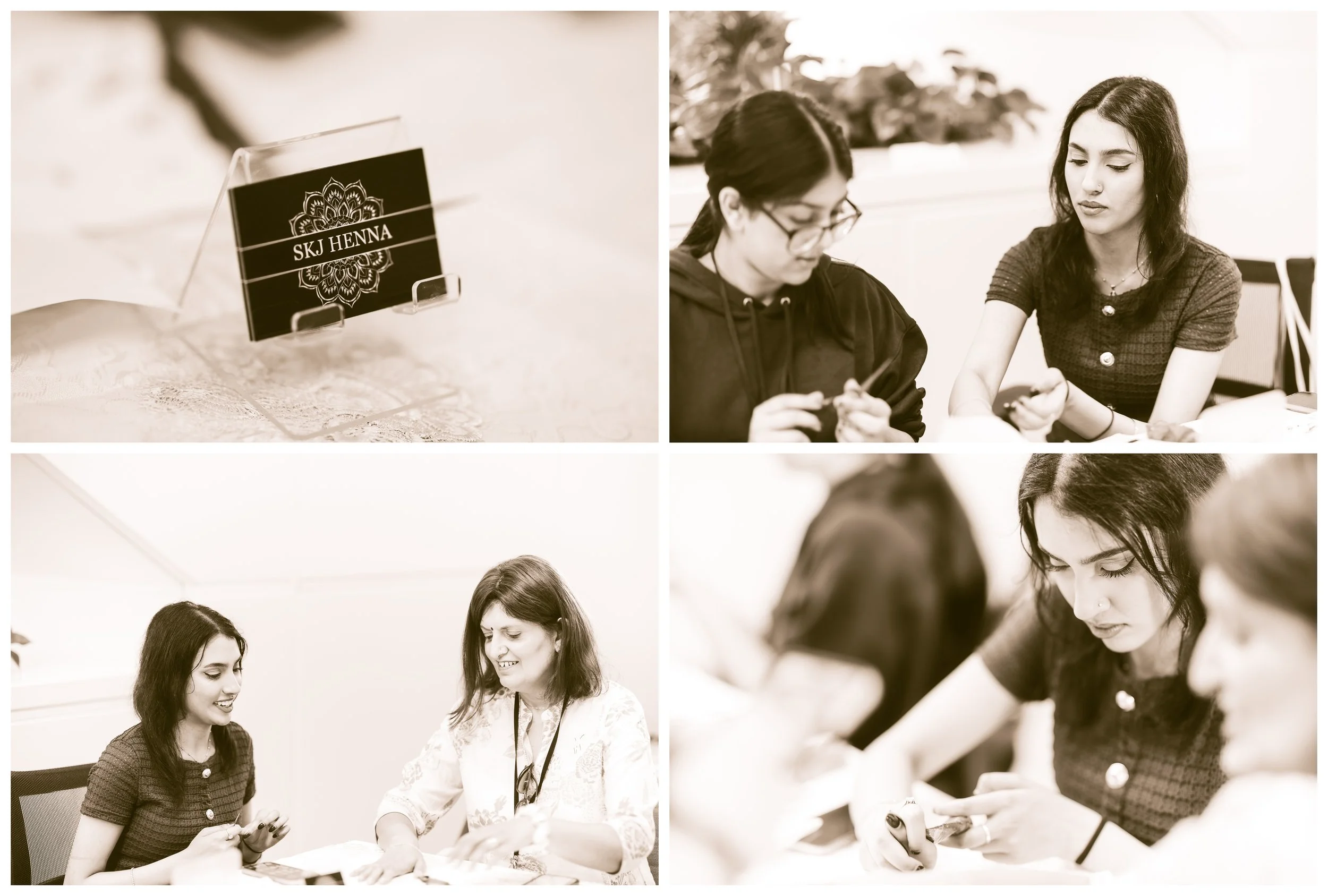
HSBC UK | South Asian Heritage Month 2026 | The SKJ Henna team in action.
At HSBC’s South Asian Heritage Month celebration, SKJ Henna shared this beautiful tradition with colleagues by creating intricate hand designs and allowing people to experience the craft first-hand. Watching the artists work together, carefully applying each pattern, showed the patience, creativity and skill behind an art form that continues to connect heritage with modern expression
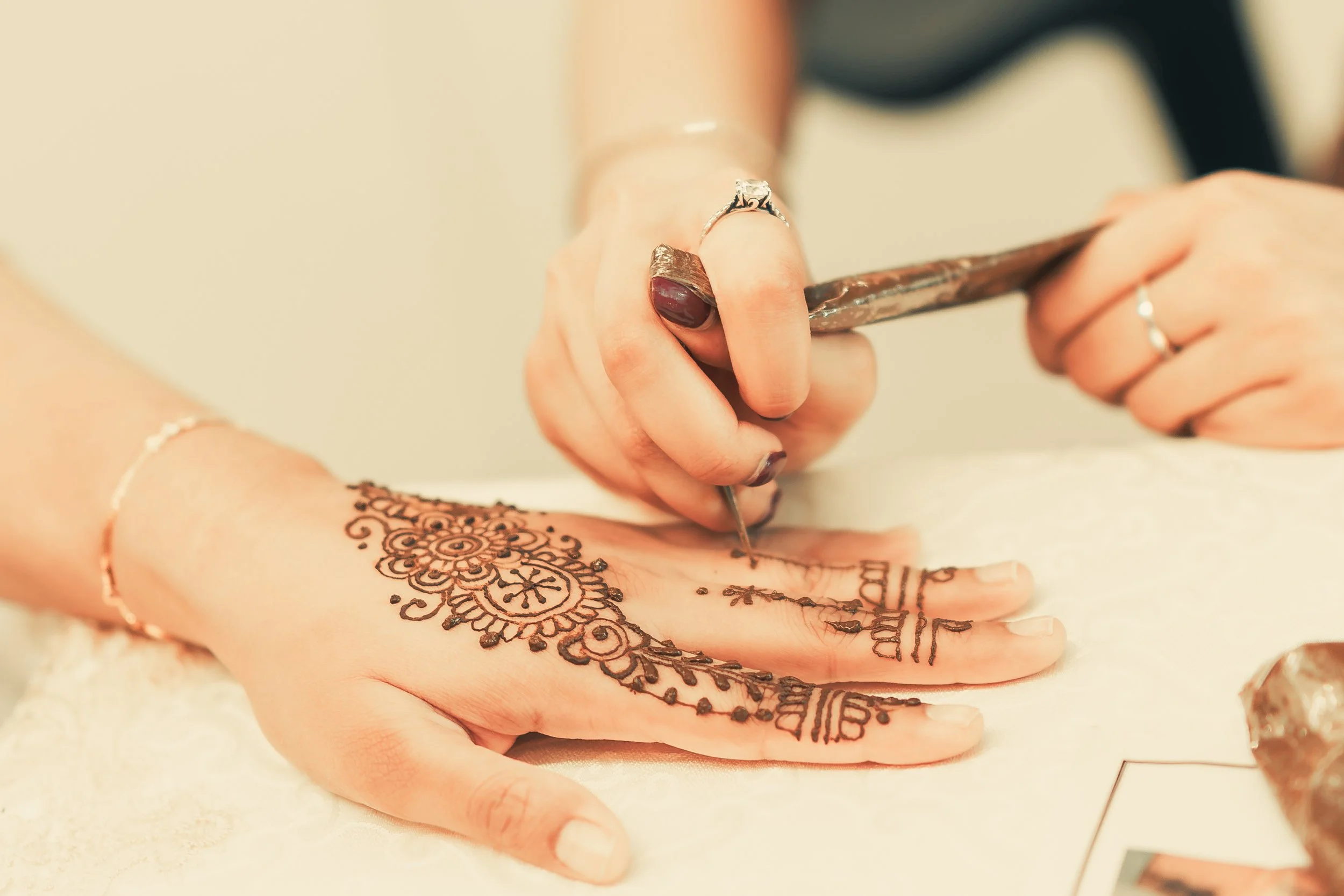
HSBC UK | South Asian Heritage Month 2026 | Capturing the delicate process of henna application.
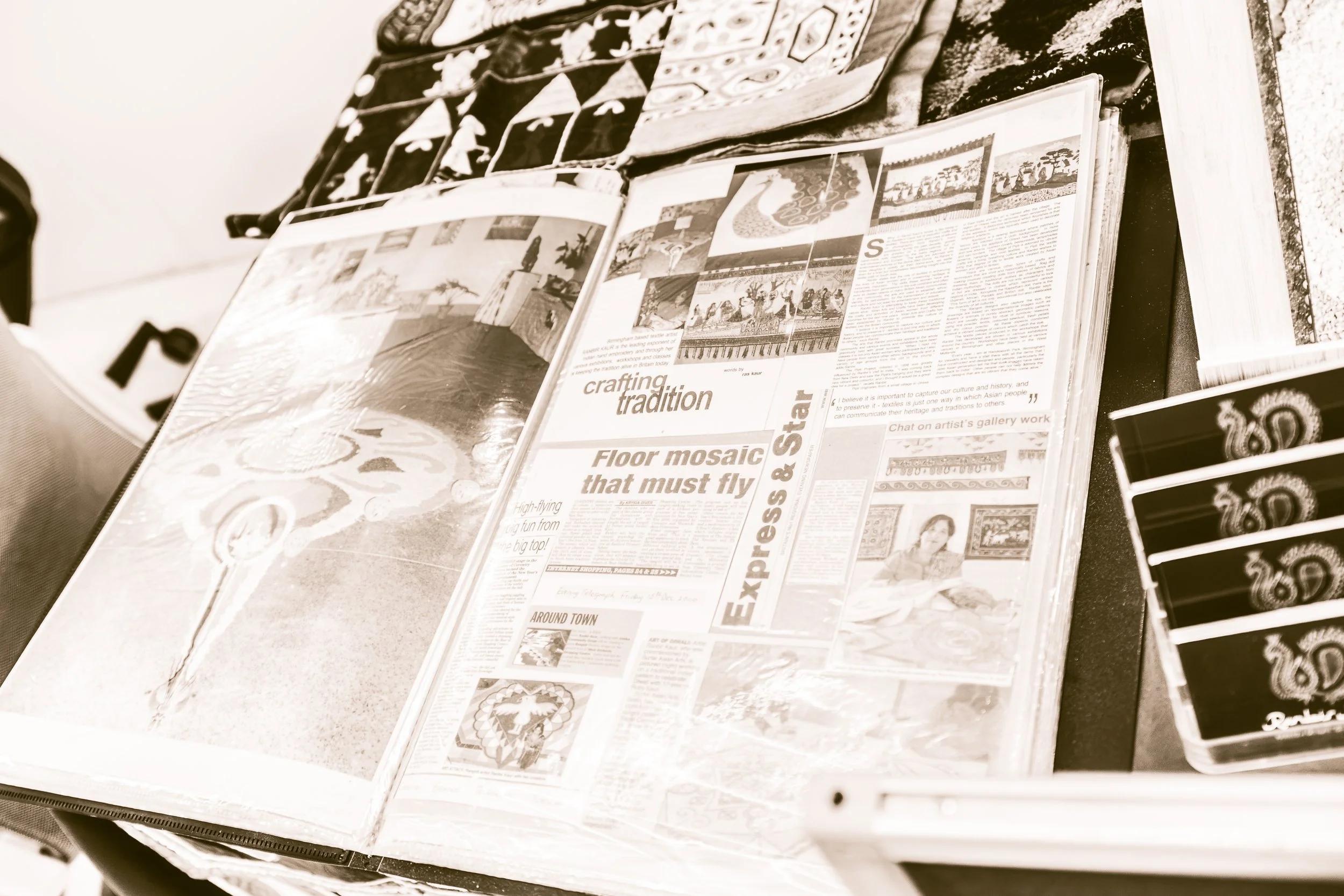
The event also featured Ranbir Kaur, recognised as one of the world’s leading Rangoli artists, who demonstrated the beauty and creativity of this traditional South Asian art form. Her work highlighted the skill, patience and cultural significance behind Rangoli, an art practice that has been passed down through generations.
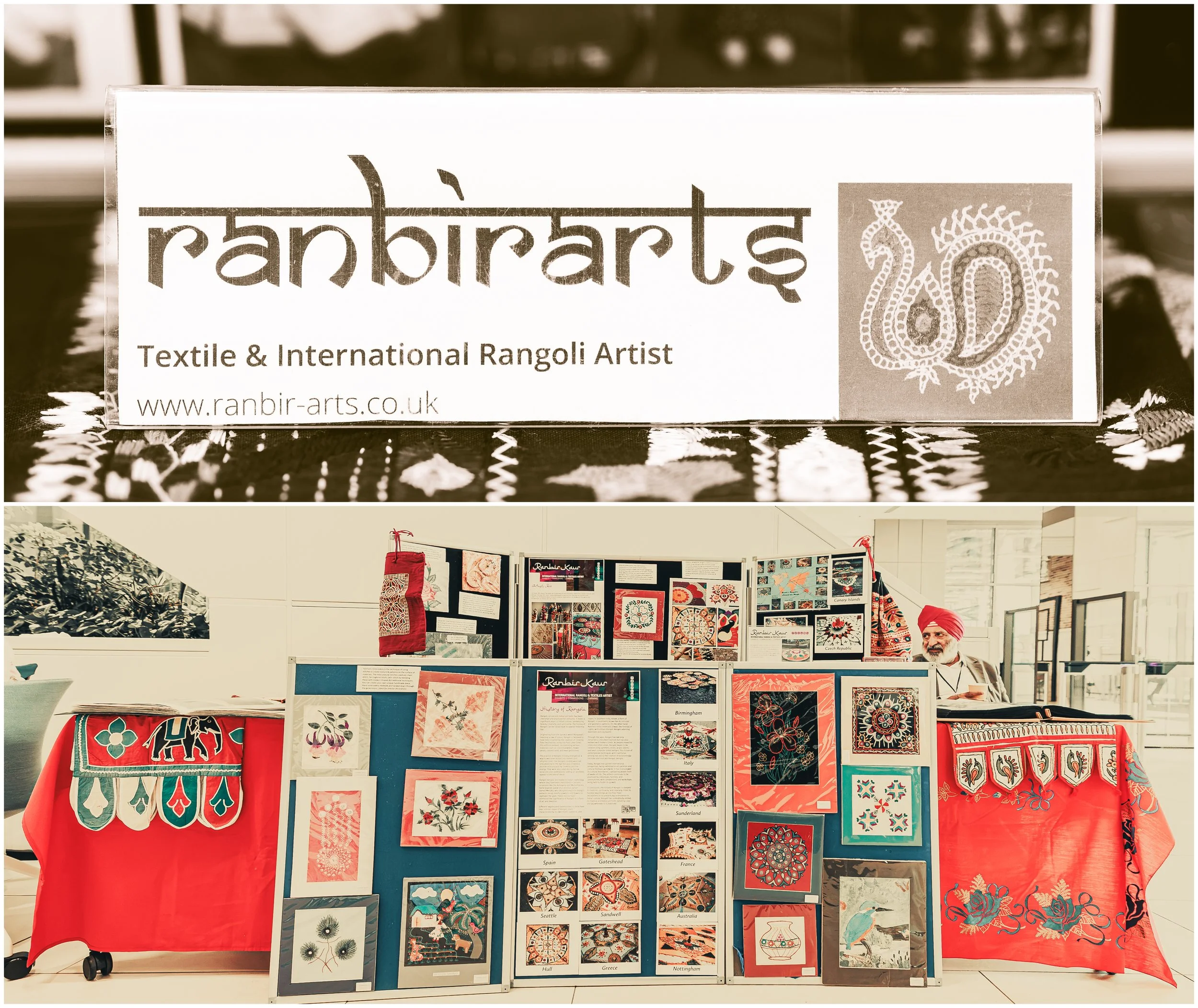
HSBC UK | South Asian Heritage Month 2026 | Ranbir Kaur showcasing the traditional art of Rangoli at her exhibition stall.
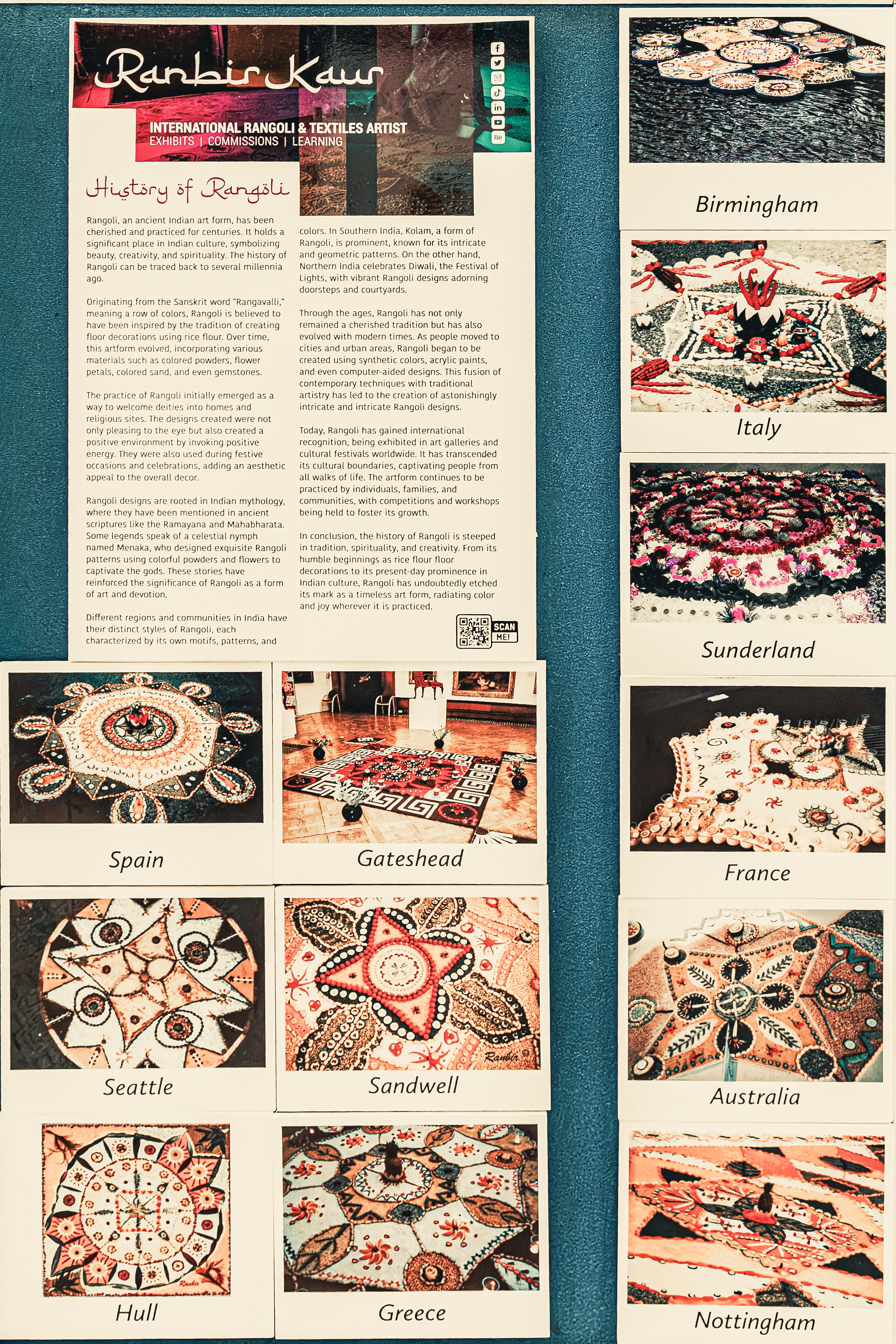
HSBC UK | South Asian Heritage Month 2026 | An exhibition board highlighting Ranbir Kaur's internationally recognised Rangoli artistry.
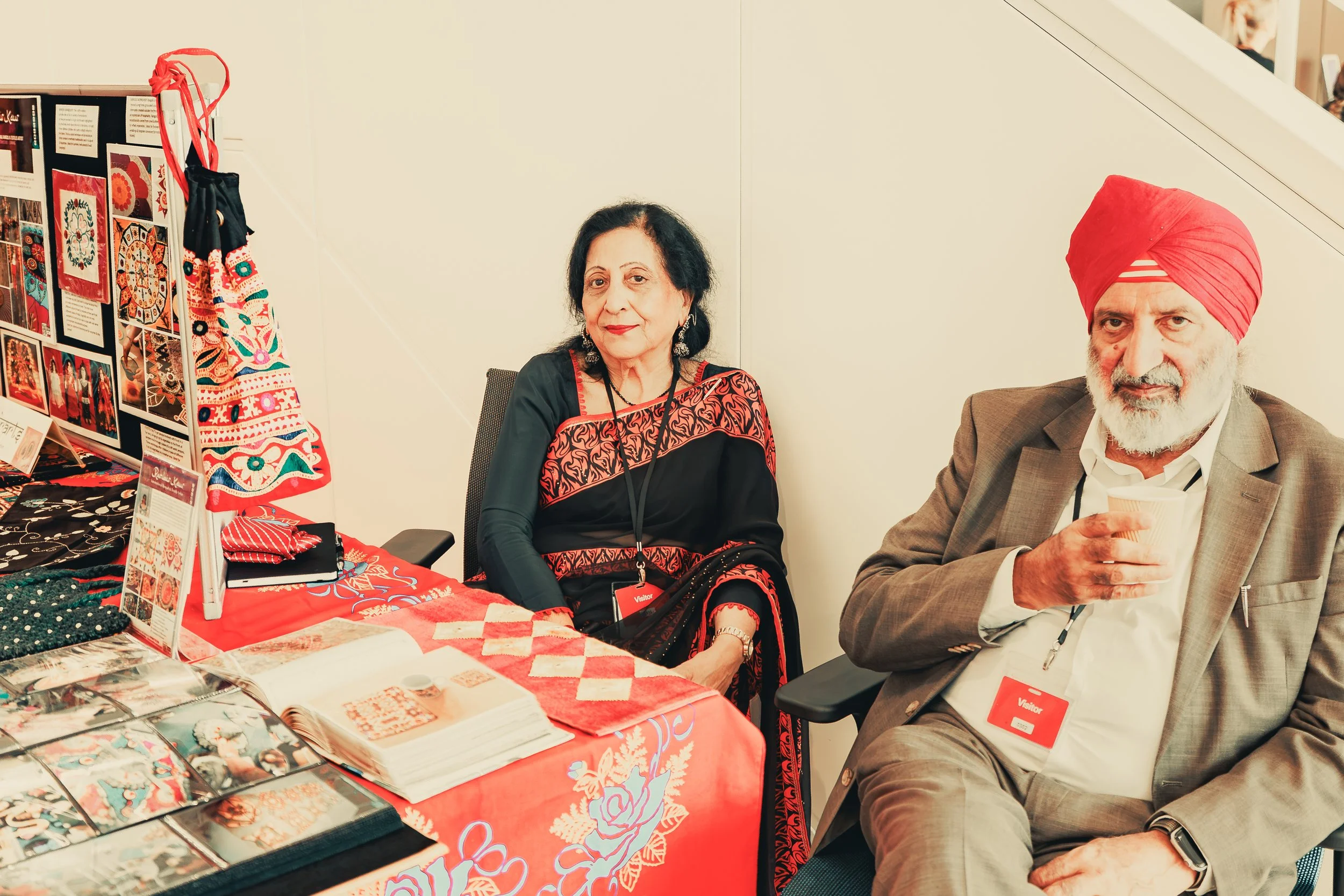
HSBC UK | South Asian Heritage Month 2026 | Ranbir Kaur at her Rangoli stall.
Dishoom offered colleagues the opportunity to experience South Asian cuisine, while Khalids Kakes provided a selection of sweet treats.
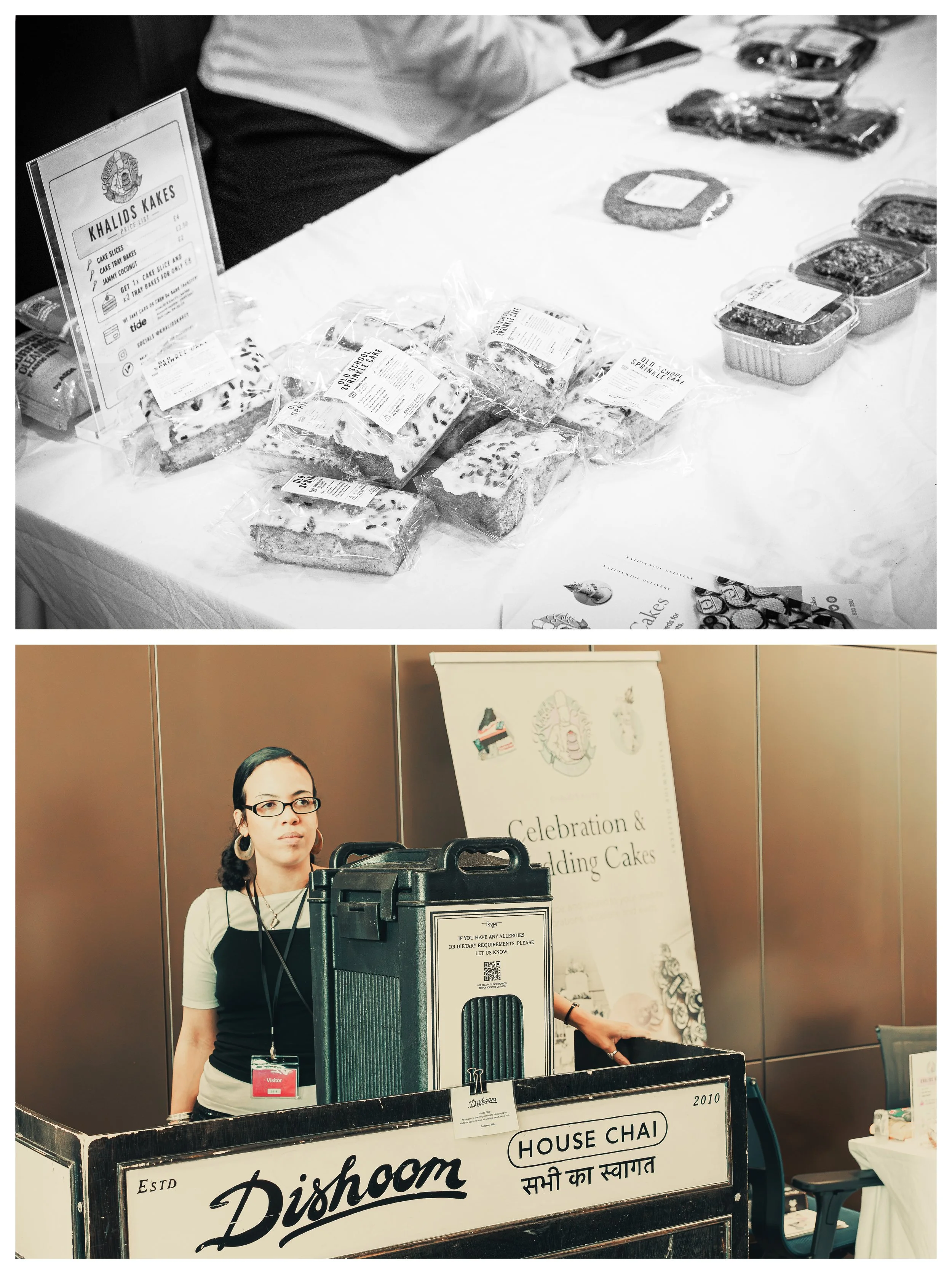
HSBC UK | South Asian Heritage Month 2026 | Khalids Kakes and Dishoom bringing the flavours of South Asia to HSBC colleagues.
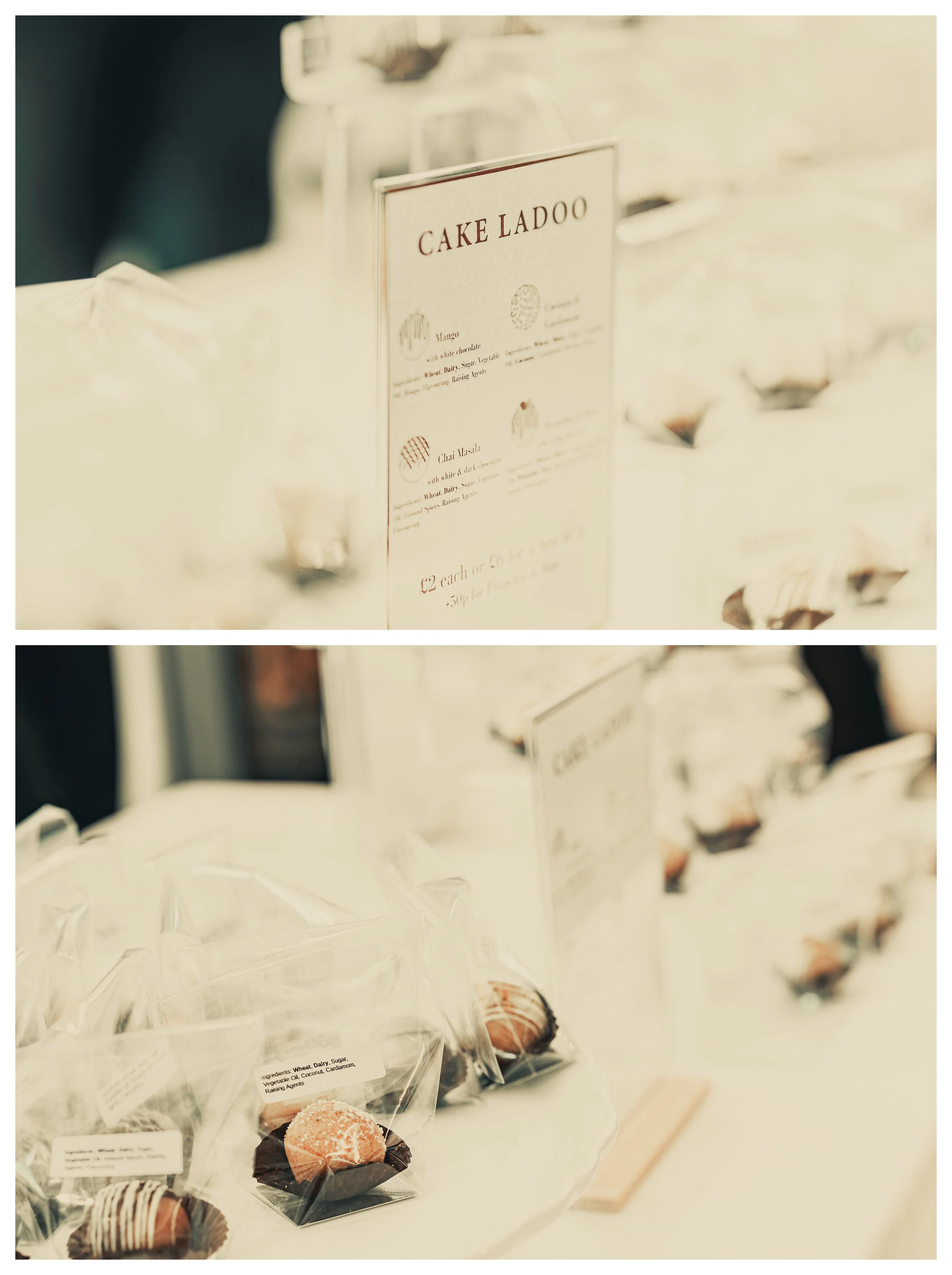
HSBC UK | South Asian Heritage Month 2026 | Cake Ladoo showcases a selection of handcrafted cakes.
The celebration also supported charitable giving, with samosa sales raising over £1,200.00 for one of HSBC's charity partners, Shelter, helping contribute towards the important work carried out by the charity.
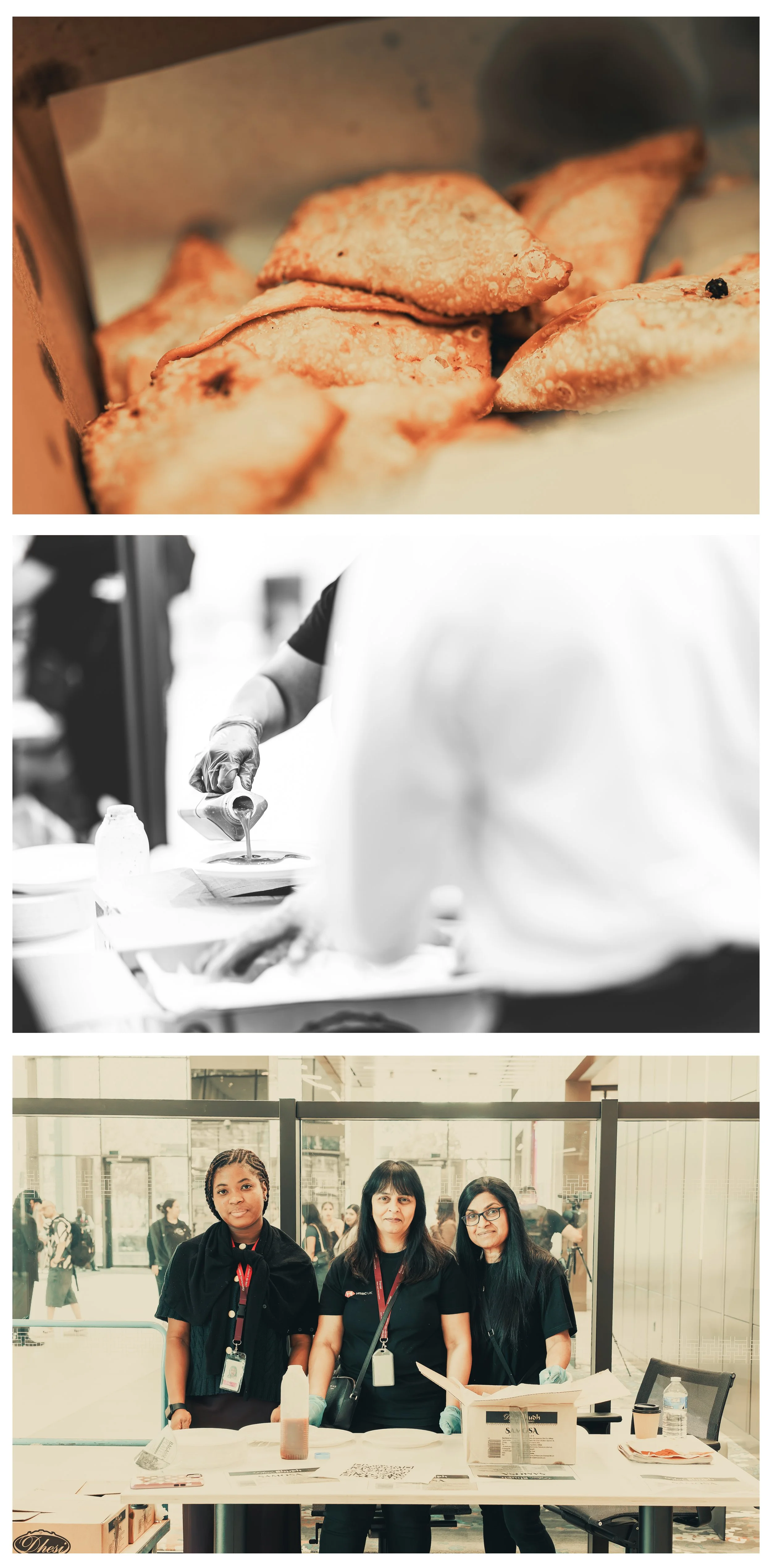
HSBC UK | South Asian Heritage Month 2026 | Colleagues supporting the samosa sale.
Closing Reflections
Through photography, I explored the many cultural elements that shaped HSBC’s South Asian Heritage Month celebration, capturing the details, creativity and stories behind the event. From the intricate fabrics worn by performers to the artistic expressions, traditions and craftsmanship showcased throughout the day, the images reflect the people and creative work that brought the celebration to life.
During the process, I was able to identify the designer behind the garments worn by the Dance N Beats performers: Naimeshbhai Makhani. His work represents a hidden gem within South Asian fashion, showcasing creativity, craftsmanship and a deep appreciation for textile design. Although he may not yet be aware of the wider reach of these images, his creations were showcased on a significant platform during HSBC’s South Asian Heritage Month celebration. Through photography, these garments have been documented and shared globally through HSBC’s internal and external channels, allowing his designs to reach audiences beyond the event itself and preserving the artistry, detail and cultural significance behind his work.
The photographs aim to capture more than performances alone. They highlight the connections between music, dance, fashion, food and art, showing how these elements come together to create a shared cultural experience.
South Asian Heritage Month provides an opportunity to recognise the history, achievements and contributions of South Asian communities. Events such as this encourage colleagues to connect, learn from one another and celebrate the diversity that continues to enrich workplaces and wider communities.
