The Beauty of Imperfection in a Perfected Age
As artificial intelligence reshapes photography, are we losing the human character that makes an image meaningful?
The Rise of the Perfected Image
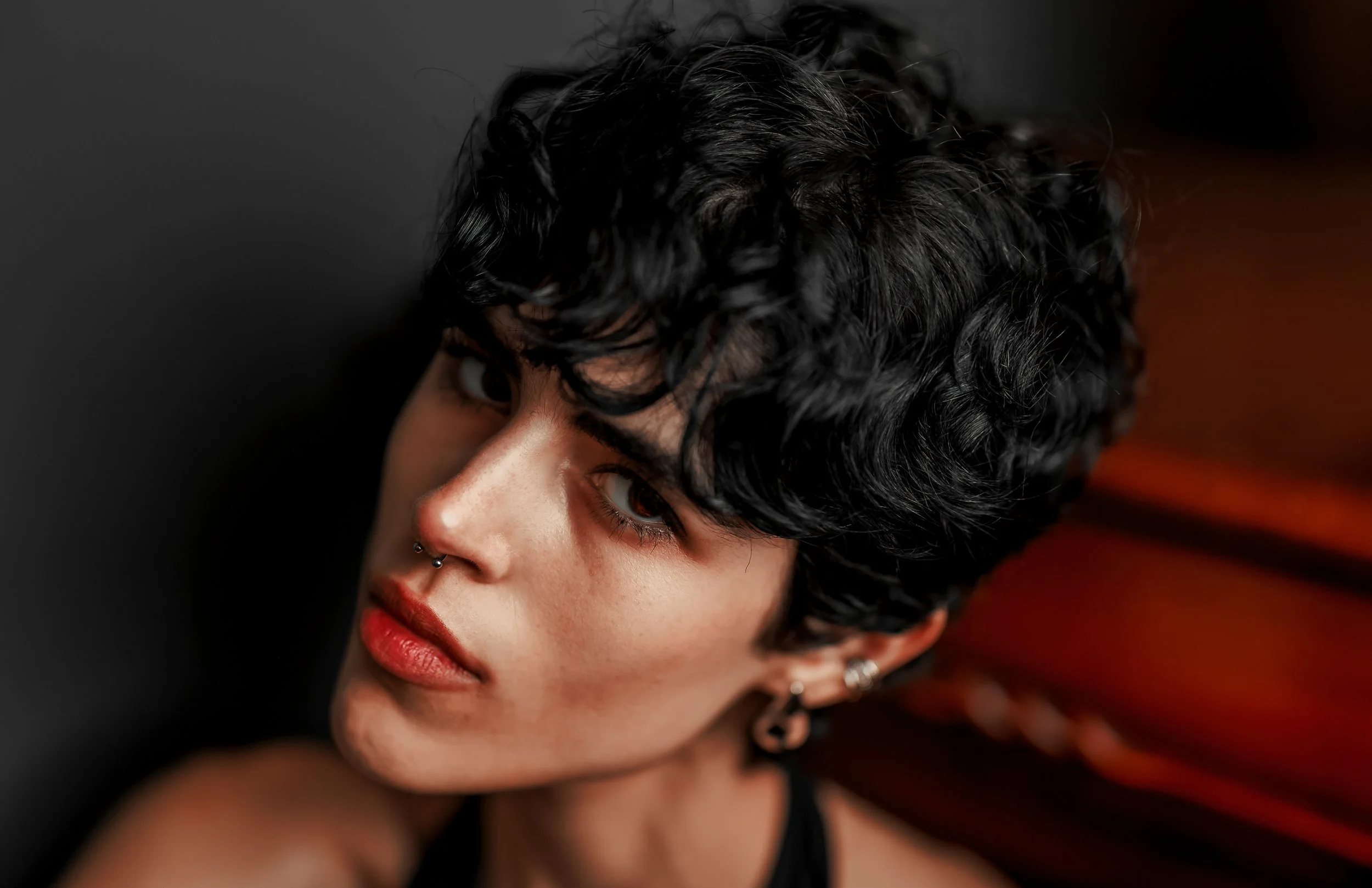
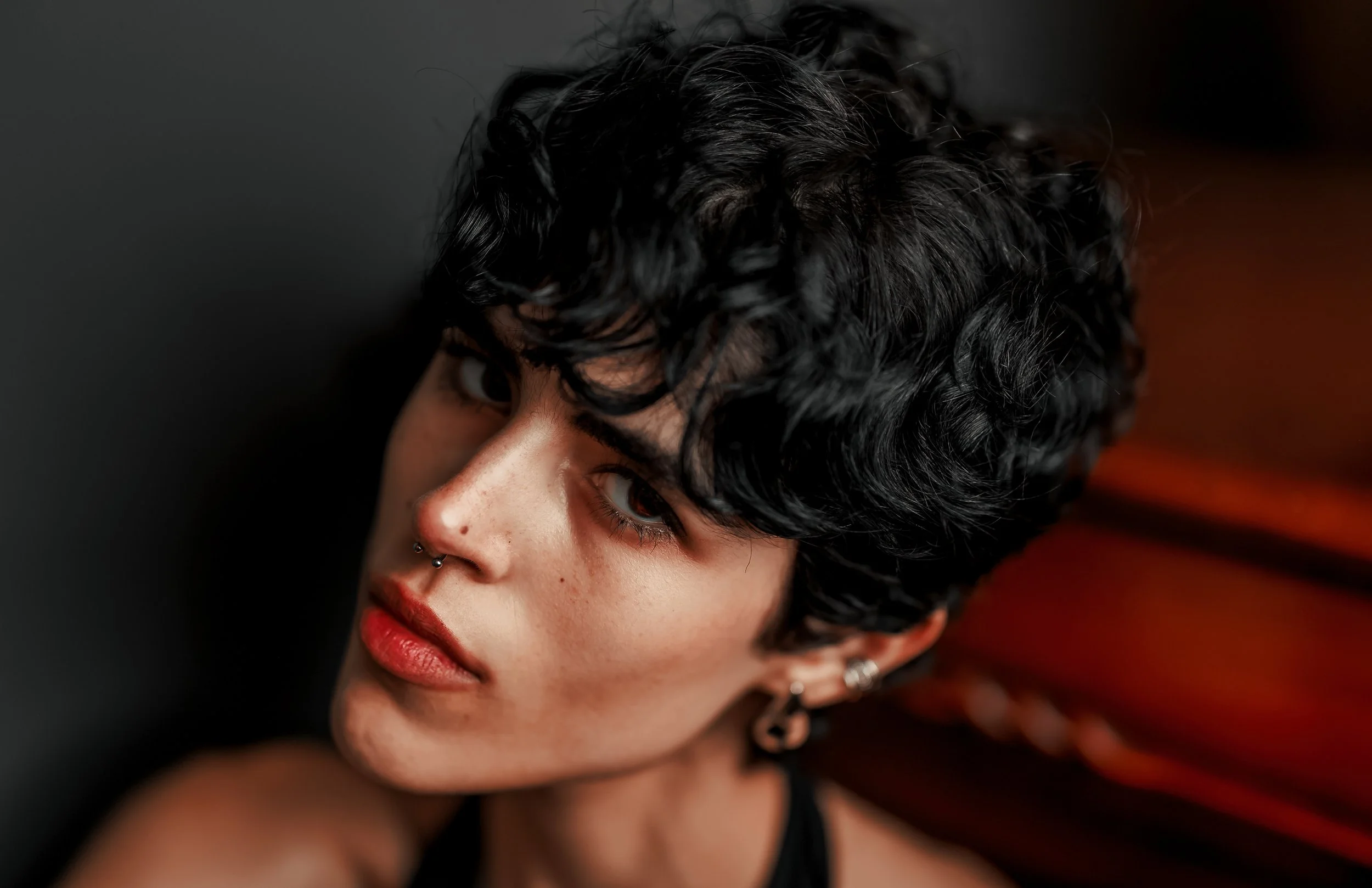
As a photographer, I appreciate artificial intelligence for the many positive ways it has enhanced the creative process. It has allowed me to remove unwanted distractions from my images — from dust on a model’s clothing that went unnoticed on set, to marks on sofas, ceilings, and floors that would otherwise be impossible to correct. It even makes it possible to eliminate distracting background elements in street photography, where controlling the environment is often impossible, helping the final composition feel cleaner and more intentional. In this sense, artificial intelligence has added real value to my work.
However, when it comes to retouching faces, I find myself asking a different question: have we gone too far? What begins as a subtle correction can quickly turn into a full reconstruction — smoothing skin, reshaping features, and removing anything that suggests age, texture, or imperfection. This shift moves beyond refinement and towards an idealised version of reality, where the human face becomes something designed rather than observed.
What Are We Losing?
We are living in a time where a face can be perfected in seconds — skin smoothed, lines erased, and marks removed with a single click. Whether through professional software such as Lightroom or Photoshop, or even simple mobile apps that are widely accessible today, the ability to alter an image has never been easier. But in the process of perfecting faces, are we also stripping away emotion, character, and the soul that makes a face human?
Take the moon, for instance. It is not perfectly smooth — its surface is marked by craters and shadows. Yet we do not see this as flawed, but as part of what makes it visually compelling. Its texture gives it depth and presence. In the same way, imperfections in a human face can create distinction rather than diminish it.
A similar idea can be seen in figures like Marilyn Monroe. Long before artificial intelligence became part of image editing, her beauty mark was never seen as something to remove. Instead, it became one of her most recognisable features — something that defined her appearance rather than detracted from it. Even today, in reproductions of her image, that mark is consistently preserved. This suggests that what might be considered an imperfection can, over time, become a defining element of identity and beauty.
What Are We Preserving?
Interestingly, not all facial features are treated in the same way. In recent years, freckles have increasingly been embraced and even celebrated in photography and fashion, often seen as adding character and authenticity. This can be seen in advertising campaigns and social media imagery, where freckles are sometimes even enhanced rather than removed. Yet other features — such as beauty marks, birthmarks, or small skin irregularities — are still commonly erased during retouching. I know this from personal experience, as I have often been asked to remove these so-called imperfections.
This raises a question: does this reveal a contradiction in how we define beauty? Some details are now considered desirable, while others are still automatically disregarded. This suggests that we are not fully accepting imperfection, but selectively curating it. Certain “flaws” are rebranded as aesthetic, while others remain unacceptable. As a result, imperfection itself becomes controlled — shaped by trends rather than genuinely embraced.
The Psychological Cost
The increasing normalisation of facial retouching carries wider implications beyond photography. For many women, there is growing pressure for their appearance in images to differ from how they look in real life. What begins as subtle editing can quickly become an expectation — that every image should present a “perfected” version of the self.
This creates a disconnect between reality and representation. Over time, it can lead to feelings of pressure, comparison, and emotional exhaustion, particularly when individuals feel they are not measuring up to the “edited” version of themselves that appears online and in their photographs. Makeup and styling can only achieve so much, and without digital enhancement, certain differences inevitably remain visible. This highlights how perfection in images is not just unrealistic but ultimately unattainable in everyday life.
It may also affect deeper aspects of identity — including confidence, personal style, and overall presence. Becoming aware, consciously or not, of the gap between one’s real appearance and their consistently edited images can influence how a person carries themselves. While not everyone experiences this in the same way, I have personally observed it not only in models but also in some people close to me, suggesting that its impact extends beyond the professional space.
Rather than enhancing confidence, constant digital alteration can sometimes have the opposite effect, reinforcing the idea that a natural appearance is not enough. This pressure does not only affect those being photographed; it can also extend to photographers and creatives. Once a certain level of perfection is established, there is often an unspoken expectation to maintain it.
For instance, if I photograph a model and am asked to remove all facial imperfections in one editorial — except for the ones she chooses to keep — it becomes difficult not to apply the same standard in future shoots. A shift back to more natural images can begin to feel inconsistent, as though imperfection no longer fits within the same visual language.
This suggests that perfection, once established, is not neutral — it reshapes expectations and makes it harder to return to authenticity.
Conclusion
In all honesty, artificial intelligence is, in many ways, a remarkable tool that has transformed the creative process for the better — at least that is how I feel. It allows photographers to refine their work, remove distractions, and enhance storytelling in ways that were once impossible. And the truth is, whether we admit it or not, it saves us more time than we realise. Yet, like any tool, it is how we choose to use it that defines its impact — and in many cases, it has been pushed beyond enhancement into unnecessary facial alteration.
We live in a time where powerful technology sits at our fingertips, yet we are still learning to use it responsibly. In the pursuit of facial perfection, something essential can be lost: authenticity.
If you are reading this — whether you are a model or anyone else — I want to remind you that you are far more beautiful than you might perceive yourself to be behind digital enhancements. Real beauty is not constructed through flawless skin or erased features, but through presence, expression, panache, and individuality both on and off camera.
For me, the value of fashion is not defined by what you wear — whether it is an expensive or inexpensive piece, bright or muted, oversized or fitted — but by how you carry it. In the same way, the beauty of a woman is not defined by how perfectly her face is edited in images, but by how she carries herself in her natural, authentic form.
Ultimately, it is not about perfect editing or perfect clothing — it is about presence. And it is presence, not perfection, that defines beauty.